Welcome to Bouncia - Your Expert in Inflatable Water Parks and Diverse Sports Equipment

Bienvenue chez Bouncia - Votre expert en parcs aquatiques gonflables et en équipements sportifs divers.

Bienvenido a Bouncia - Tu Experto en Parques Acuáticos Hinchables y Equipamiento Deportivo Diverso

Inflatable Water Park vs.Lake Water Park Systems: Which Is Better for Your Site?

Owning or operating a lake creates several possibilities for commercial water entertainment. However, the best system depends on more than the available water area. Investors must also consider their target visitors, operating season, staffing capabilities, infrastructure budget and preferred revenue model.
An inflatable water park for lake use can offer a highly visible, group-based attraction with flexible installation and modular expansion. However,other systems may suit different commercial goals. These alternatives include fixed water attractions, cable wake parks, floating docks combined with activities, and standalone kayak or SUP rentals.
inflatable-water-park-for-lake-commercial-project-layout
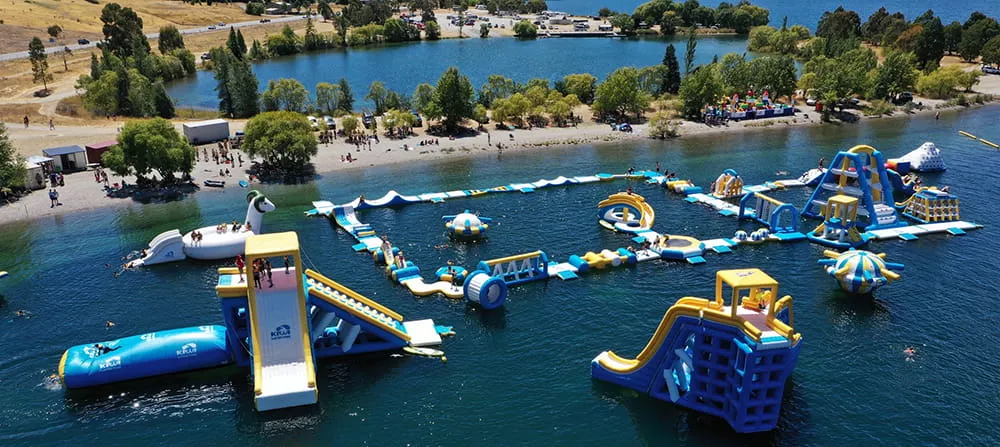
Inflatable water park for lake use in a commercial setting
This article compares these systems across eight practical dimensions: initial investment, installation and removal, target visitors, staffing, maintenance, seasonality, expansion and revenue generation. It focuses on commercial suitability rather than the detailed technical requirements for installing equipment on a particular lake.

Quick Answer

There is no single best lake water park system. An inflatable water park for lake use is usually the better fit for seasonal, family-focused projects that need flexible installation, modular expansion and ticket-based group experiences. Fixed attractions suit long-term landmark developments, cable systems suit skill-based sports, while docks, kayaks and SUPs fit access, mixed-use or rental-led models. Compare site requirements, target visitors, staffing, season length, revenue model and future expansion before choosing.

What Counts as a Lake Water Park System?

A lake water park system can refer to several types of commercial water entertainment. These systems do not provide the same visitor experience or require the same infrastructure.
  • Modular inflatable water parks: Connected floating modules with obstacles, slides, climbing elements and jumping activities.
  • Fixed water attractions: Permanent or semi-permanent structures designed as long-term features of a waterfront development.
  • Cable wake parks: Mechanical cable systems that pull wakeboarders or water-skiers along a defined route.
  • Floating docks with water activities: Platforms used for access, equipment distribution, resting areas or connections between different activities.
  • Kayak, SUP and other standalone rentals: Individual equipment hired by visitors for independent or guided use.
The main difference is not simply the type of equipment. Each option has a different commercial operating model. Inflatable parks normally create a shared attraction that can be sold through timed admission. Cable systems focus on skill development and repeat sports participation. Kayaks and SUPs use an equipment-rental model, while docks normally support other activities rather than acting as the complete attraction.

Inflatable Water Park vs Lake Water Park Systems: Quick Comparison

The following table provides a general comparison. Actual requirements depend on the site, local regulations, project scale and equipment design.
Business Requirement
Inflatable Water Park
Fixed Water Attractions
Cable Wake Park
Floating Docks with Activities
Kayak or SUP Rentals
Initial investment
Mainly equipment, anchoring, access and operating setup
Usually greater commitment to construction, foundations and approvals
Requires cable equipment, power and specialized infrastructure
Can begin with a basic platform, but additional activities create the complete offer
Can often begin with a limited equipment fleet and basic rental facilities
Installation and removal
Seasonal installation and removal are generally possible
Normally designed to remain in place
Mechanical and structural systems are less practical to remove seasonally
Modular docks may be removable depending on design
Equipment can normally be stored after operation
Target visitors
Families, children, teenagers, groups and active adults
Depends on attraction design and destination positioning
Sports-focused visitors and customers seeking instruction or skill progression
Mixed visitor groups using several waterfront services
Individuals, couples, families and leisure users
Staffing and skills
Lifeguards, access control and operational supervision
Supervision plus maintenance appropriate to the fixed structure
Trained operators, instructors and mechanical support
Staff requirements depend on the connected activities
Rental, equipment checking and route or safety management
Maintenance
Daily module, connection, anchor and access checks
Structural inspections and long-term facility maintenance
Mechanical, cable and safety-system maintenance
Dock, connection and activity-equipment inspections
Cleaning, storage and equipment condition checks
Seasonality
Suitable for seasonal operation and off-season storage
Better suited to long-term site commitment
Can be seasonal, but infrastructure remains significant
Can support seasonal or longer-term waterfront use
Highly adaptable to seasonal demand
Expansion
Modules can be added or reconfigured subject to site capacity
Expansion may require construction and approval changes
Expansion may require additional cable routes or infrastructure
Platforms and supported activities can be added in phases
Fleet size and activity types can be increased gradually
Revenue model
Admission, timed sessions, group bookings and events
Admission or inclusion within a larger destination
Sessions, instruction, memberships and equipment rental
Access fees, service income and revenue from connected activities
Hourly rental, tours, lessons and group packages
This comparison should be used as a first-stage screening tool, not as a substitute for a site-specific quotation and operating assessment.

When an Inflatable Water Park for Lake Use Is the Better Fit

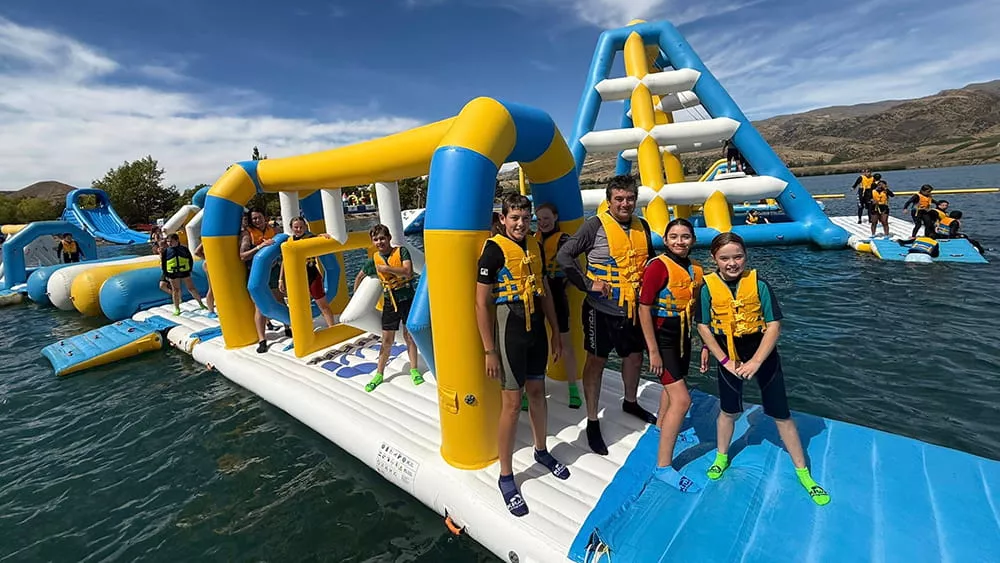
An inflatable park is often suitable when the project is intended to attract families, teenagers, school groups, camps or other visitors who want an active shared experience. Its large modules and varied obstacles can create a visible attraction that is easy for visitors to understand from the shore.
teenagers-enjoying-an-inflatable-water-park-for-lake
Teenagers enjoy an inflatable water park for lake recreation
This system is especially relevant when operators want to:
  • Sell admission through timed sessions or day tickets;
  • Accommodate families and groups within one defined attraction;
  • Open mainly during a warm-weather season;
  • Remove and store equipment outside the operating season;
  • Begin with a selected layout and add modules later;
  • Offer group bookings, camps, private sessions or corporate activities.
Because connected modules can be selected according to visitor profile and planned capacity, operators can develop the attraction in phases. Buyers comparing aqua park for sale options can review different module combinations before deciding how much of the lake to develop initially.
However, an inflatable system is not automatically suitable for every lake. Site feasibility must come first. Water depth, bottom conditions, wind exposure, water-level changes, anchoring areas, shoreline access and local regulations must be checked before the layout is confirmed.

When Other Lake Water Park Systems May Fit Better

Other systems may provide a better commercial fit when the project targets a specialized activity, requires a permanent landmark or uses a rental-led business model.
Fixed Water Attractions
Fixed attractions may suit a resort, public waterfront or large destination that expects to use the same location for many years. They can become a recognizable part of the site and may be integrated with permanent walkways, buildings or landscaped areas.
The trade-off is greater site commitment. Construction, approvals, structural work and later modifications are generally more complex than installing removable equipment. This option is therefore more appropriate when the owner has a long-term development plan and is prepared to invest in permanent infrastructure.
Cable Wake Parks
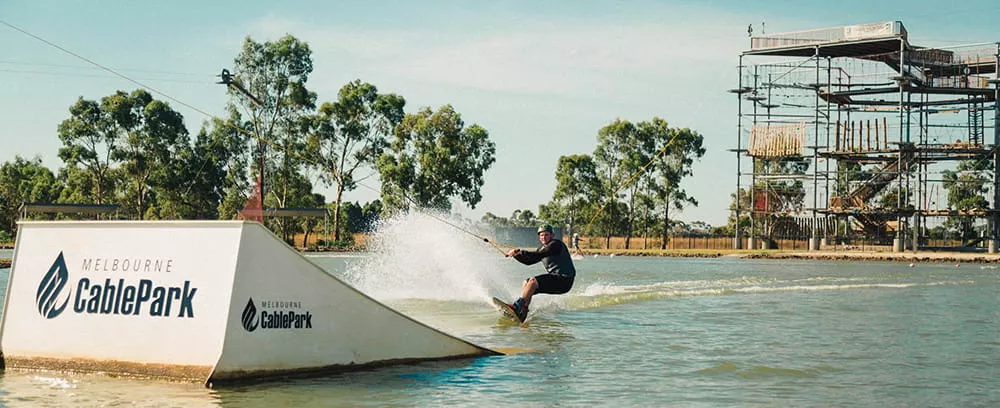
Cable wake parks are designed primarily for wakeboarding and similar skill-based activities. They may attract repeat users who want lessons, practice sessions or membership access.
cable-wake-park-for-skill-based-water-sports
A cable wake park designed for wakeboarding and training
This model can generate revenue through instruction, memberships, equipment rental and organized events. However, it requires specialized cable equipment, suitable power and infrastructure, trained operators and technical maintenance. A cable system is a stronger fit for a sports-focused customer base than for a broad family audience seeking a shared obstacle experience.
Floating Docks with Water Activities
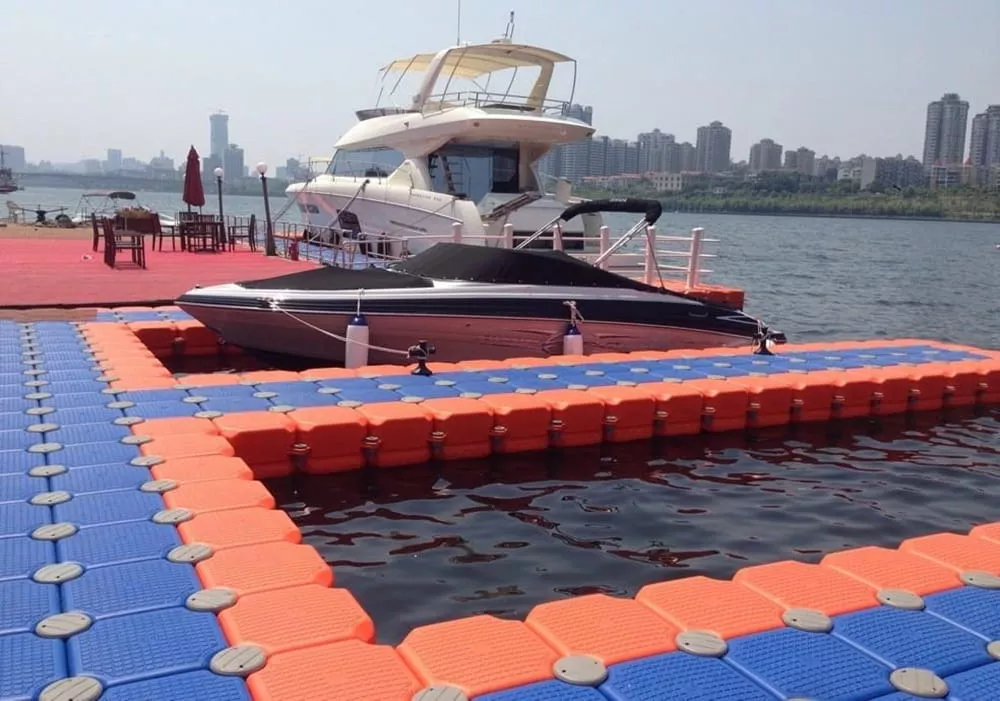
Floating docks can serve as access points, waiting areas, equipment-distribution zones or connections between multiple waterfront services. They may support boat access, swimming areas, tours, rentals or other water activities.
floating-dock-providing-access-for-moored-boats
A floating dock serving as an access platform for boats
A dock by itself is normally an operational platform, not a complete entertainment experience. Its commercial value depends on the activities connected to it. It may be the right choice for a mixed-use waterfront where access, circulation and service delivery are more important than creating one major ticketed attraction.
Kayak, SUP and Other Standalone Rentals
Kayaks, SUPs and similar equipment can support a relatively simple rental model. Visitors participate individually or in small groups, and operators can increase the fleet as demand grows.
These activities are suitable for relaxed exploration, tours and introductory water sports. However, they do not provide the same group interaction, visual impact or timed-admission model as an inflatable park. Their success also depends on suitable routes, equipment control and procedures for monitoring users across a wider area.

Compare the Systems by Business Requirement

Investment and Site Commitment
Initial equipment price is only one part of the decision. Buyers should also compare infrastructure, approvals, installation, utilities, shoreline work, storage and removal requirements.
A fixed attraction or cable system can require a higher long-term commitment to one site. Inflatable equipment and rental fleets may provide more flexibility, but they still require safe access, storage, operating facilities and site preparation.
Request quotations using the same project scope. If one proposal includes installation, anchoring or staff training while another only covers equipment, the totals are not directly comparable.
Visitors and Experience
The target customer should influence the system choice.
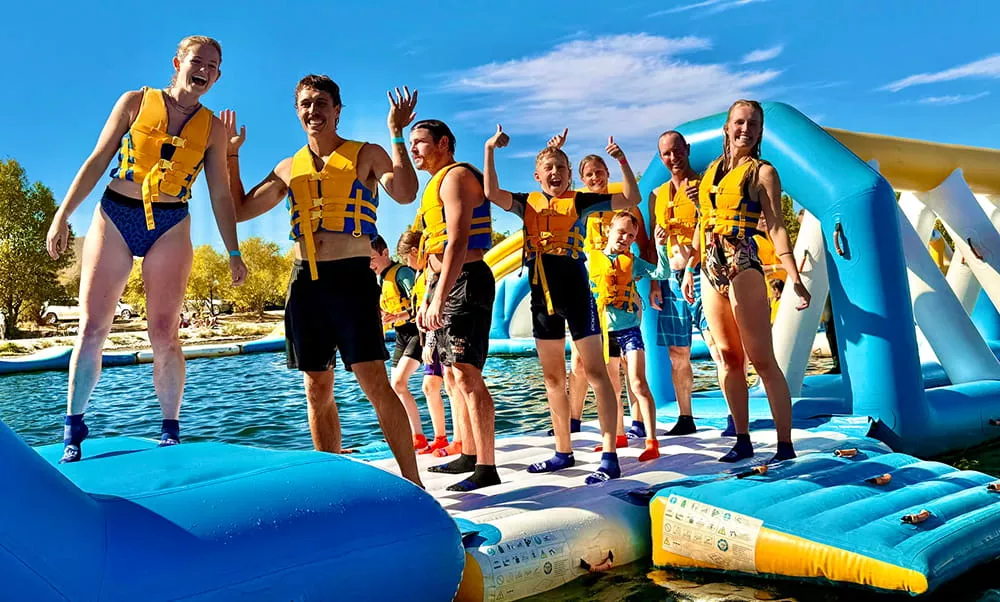
young-visitors-enjoying-an-inflatable-water-park
Young visitors enjoy an active inflatable water park experience
An inflatable water park generally serves families, young people and groups seeking active entertainment. Cable wake parks serve visitors interested in sport, training and skill progression. Kayaks and SUPs suit customers looking for independent or guided recreation. Fixed attractions can serve various groups, but their design must reflect the intended destination.
The best option is the one that matches the expected visitor experience, not simply the system with the most equipment.
Staffing and Daily Operations
Every system needs appropriate supervision, but the required roles differ.
Inflatable parks need lifeguard coverage, admission control, visitor briefing and inspections of modules, connections and operating areas. Cable parks require staff who can operate specialized equipment, support riders and manage technical systems. Rental businesses need equipment distribution, return checks and systems for monitoring users. Fixed attractions require supervision and maintenance suited to their structure.
Staff planning should be based on local rules, system design, operating hours and visitor flow. A single universal staffing number would not be reliable.
Maintenance and Seasonality
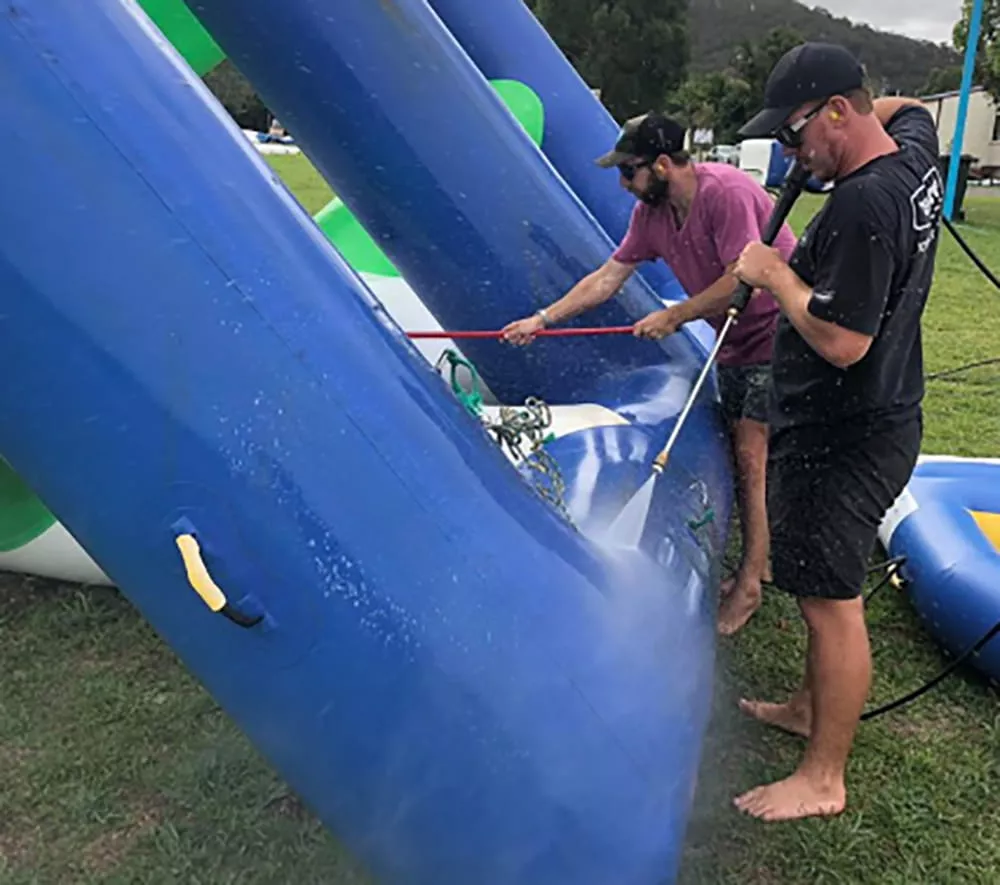
For an inflatable system, routine work includes checking air pressure, connections, anchoring, access points and the condition of the modules. Seasonal removal also requires cleaning, drying, packing and suitable storage.
staff-cleaning-an-inflatable-water-park-module
Staff clean inflatable modules before seasonal drying and storage
Fixed structures may reduce seasonal removal work but create ongoing structural maintenance responsibilities. Cable systems add mechanical components that need specialized inspection and servicing. Kayaks and SUPs require cleaning, damage checks and organized storage.
Operators should compare full-season maintenance needs, including daily tasks, specialist support and off-season responsibilities.
Expansion and Revenue
Inflatable parks can often expand through additional modules or revised layouts, subject to available water area, capacity planning and anchoring requirements. Kayak and SUP businesses can add more equipment or introduce tours and lessons. Dock systems can support additional services, while fixed attractions and cable systems may require more extensive modifications.
Revenue models also differ:
  • Inflatable parks: tickets, timed sessions, groups and private events;
  • Cable parks: sessions, instruction, memberships and rentals;
  • Fixed attractions: admission or inclusion in a broader destination ticket;
  • Docks: access and service income from connected activities;
  • Kayaks and SUPs: hourly rentals, guided tours and lessons.
The selected system should support both the planned visitor experience and the main revenue source.

How to Choose the Best System for Your Lake Site

Before requesting final proposals, project owners can follow this seven-step process:
1. Confirm site requirements. Review water conditions, regulations, shoreline access, available land, power supply and any restrictions on permanent or seasonal equipment.
2. Define the core visitor group. Decide whether the project will mainly serve families, tourists, sports participants, groups or casual rental customers.
3. Set the operating season. Determine whether equipment must be removed during winter, storms, flood periods or the low season.
4. Evaluate investment capacity. Consider both the initial purchase and the level of long-term infrastructure commitment.
5. Review staffing capabilities. Identify whether the business can provide lifeguards, instructors, mechanical operators or rental-management staff.
6. Choose the primary revenue model. Decide whether income will mainly come from admission, sessions, memberships, lessons, rentals or a combination.
7. Plan three to five years ahead. Consider how the project may expand, whether the layout can change and which additional activities may be introduced.
Ask each supplier to prepare proposals using the same operating assumptions. These should include the expected visitor profile, operating season, available area, infrastructure responsibilities and planned future expansion. This makes commercial comparisons more accurate.

Can You Combine an Inflatable Park with Other Lake Activities?

Yes. A lake project does not always need to select only one system. An inflatable park can operate alongside floating docks, kayaks, SUPs or other suitable activities.
inflatable-water-park-combined-with-a-cable-wake-park
An inflatable water park operates alongside a cable wake park
For example, the inflatable attraction can serve families and groups through timed admission, while kayaks and SUPs provide a quieter rental option. A dock may support access, equipment distribution or waiting areas.
However, a mixed-use design must separate:
  • Activity zones;
  • Visitor entrances and exits;
  • Kayak and SUP routes;
  • Inflatable anchoring areas;
  • Boat or service routes;
  • Emergency access and rescue paths.
Clear water-zone separation is essential. Activities should not be added simply to make the project appear larger. Each component should serve a defined customer group, operating purpose or revenue source.

Final Decision Checklist

Use the following checklist to identify the system that most closely matches your project:
  • Choose an inflatable water park when the priority is seasonal family admission, group entertainment and flexible modular expansion.
  • Consider a cable wake park when the core business is professional or recreational water sports supported by lessons and memberships.
  • Consider fixed attractions when the project requires a permanent landmark and the owner is prepared for long-term infrastructure investment.
  • Choose kayaks or SUPs when the preferred model is lower-complexity equipment rental, tours or independent recreation.
  • Use floating docks when the project needs a multi-activity access, transport or service hub.
There is no system that is best for every lake. The correct decision depends on the site, target visitors, operating season, available staff, revenue model and long-term development plan.
If an inflatable system matches your commercial objectives, review available floating water park for sale configurations and provide your lake conditions, target capacity and visitor profile when requesting a project proposal.

FAQ

Which lake water park system is easiest to expand in phases?
Modular inflatable parks and standalone rental operations are generally easier to expand gradually. An inflatable park can add compatible modules or adjust its layout, subject to water area, capacity and anchoring conditions. A kayak or SUP operation can expand its equipment fleet. Fixed attractions and cable systems usually require more infrastructure planning when they are enlarged.
Can an inflatable water park be combined with docks, kayaks or SUPs?
Yes. These activities can operate within one lake project if their water areas, routes, entrances, anchoring zones and rescue paths are clearly separated. Each activity should also have its own operating procedures and supervision plan.
Does a lake water park system need to remain installed year-round?
Not necessarily. Inflatable modules, some floating docks, kayaks and SUPs can normally be removed and stored outside the operating season. Fixed attractions and cable infrastructure involve a greater permanent site commitment. The appropriate arrangement depends on climate, water-level changes, local regulations and the equipment design.

GET IN TOUCH WITH US

If you want to learn more about us or our products, welcome to leave a message below.

error: Content is protected !!