Welcome to Bouncia - Your Expert in Inflatable Water Parks and Diverse Sports Equipment

Bienvenue chez Bouncia - Votre expert en parcs aquatiques gonflables et en équipements sportifs divers.

Bienvenido a Bouncia - Tu Experto en Parques Acuáticos Hinchables y Equipamiento Deportivo Diverso

Inflatable Floating Water Park Weather Management: How Weather Conditions Affect Operations

Operating an inflatable floating water park involves more than opening the attraction when the weather looks good. Wind, thunderstorms, rain, temperature changes, and water-level shifts can all affect guest safety, staff deployment, equipment checks, and daily revenue.
For operators, effective weather management means setting clear operating limits before the season starts, monitoring actual site conditions throughout the day, and giving the team a practical process for restricting or pausing activities when conditions change. This is especially important for lake, coastal, resort, and waterfront projects where local conditions can change quickly.
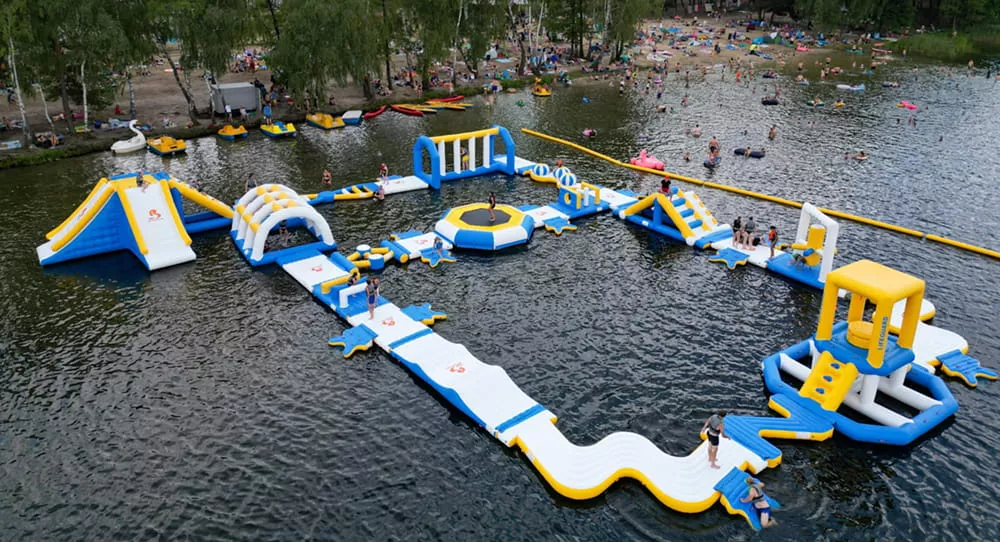
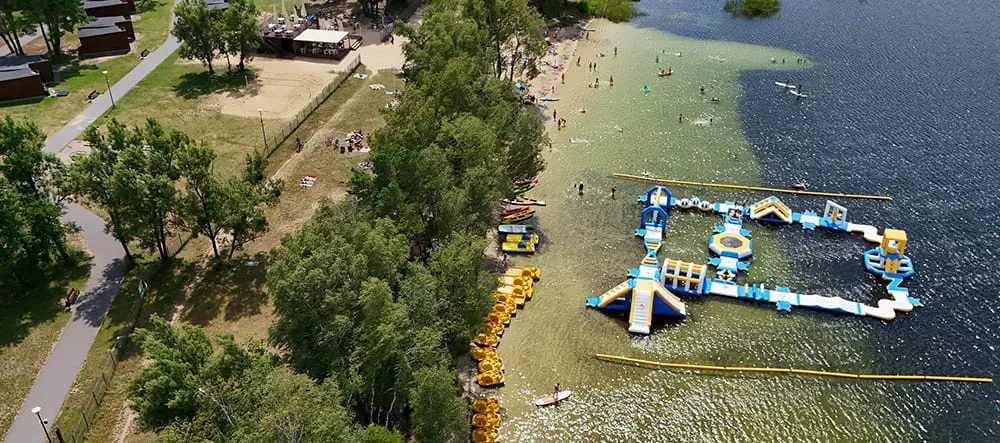
inflatable-floating-water-park-operating-in-sunny-weather
Inflatable floating water park operating in sunny weather

Quick Answer

Weather conditions can affect whether an inflatable floating water park can operate safely and efficiently. Operators should monitor wind, thunderstorms, rainfall, temperature, water levels, and local safety guidance, then use clear operating limits and emergency procedures to decide when to continue, restrict, or pause activities.

Why Weather Management Matters for Inflatable Water Park Operations

Weather management is not only a safety issue. It also affects the guest experience, staffing efficiency, equipment condition, and the operator’s ability to maintain a predictable daily schedule.
For example, strong wind may create movement around the attraction and increase stress on anchoring and connection points. Rain can reduce visibility and make shore-based access areas slippery. High temperatures can create heat stress for both guests and staff. Changes in water level can affect usable water depth, access routes, and the clearance around the park.
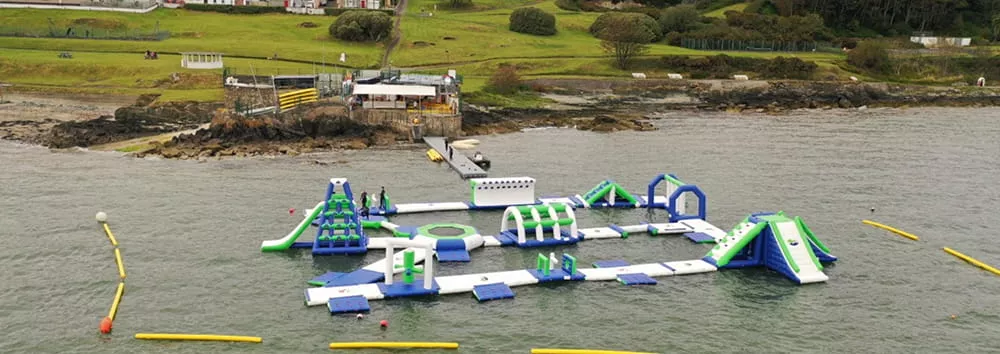
inflatable-floating-water-park-in-windy-lake-conditions
Inflatable floating water park in windy lake conditions
A commercial inflatable water park should therefore have weather procedures as part of its normal operating plan, rather than treating them as a last-minute response. The procedures should reflect the site, product configuration, local regulations, manufacturer guidance, and the experience level of the operating team.

How to Operate During Windy Conditions

Wind is one of the most important conditions to monitor because it can affect guest movement, inflatable stability, anchoring loads, and the safe use of elevated or high-activity features.
Operators should not rely only on a general weather forecast. They should also assess actual wind conditions at the site, because wind exposure can vary significantly between an inland lake, an open reservoir, and a coastal location.
A practical windy-weather procedure should include:
  • Checking wind forecasts before opening;
  • Monitoring actual wind conditions during operating hours;
  • Inspecting anchors, ropes, connection systems, and perimeter areas;
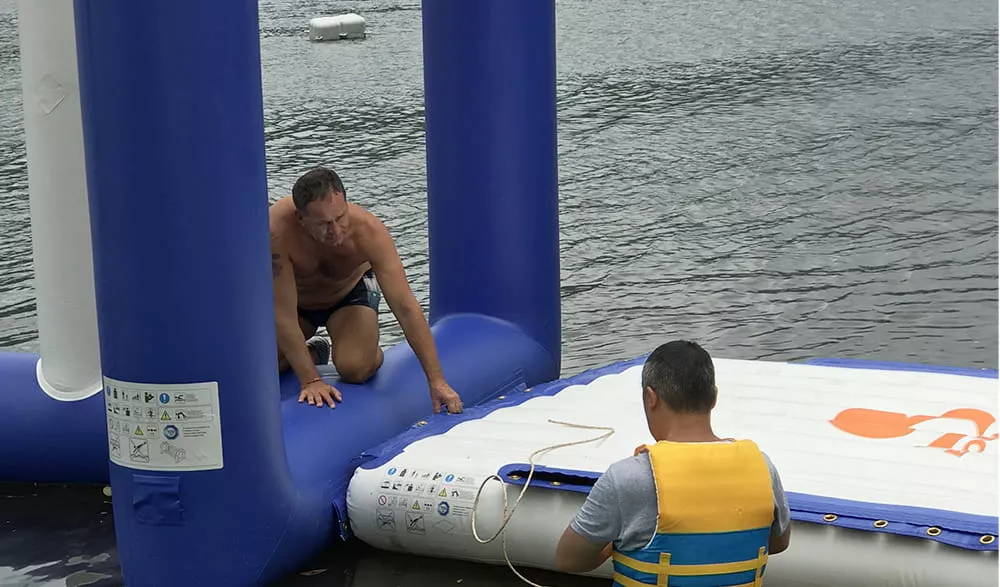
staff-checking-inflatable-floating-water-park-connections
Staff check inflatable floating water park connections
  • Restricting access to features that become unsuitable in changing conditions;
  • Pausing entry when wind conditions exceed the park’s approved operating limits;
  • Recording closures or restrictions for future operational review.
The exact wind limit should not be copied from another park. It should be based on the site assessment, attraction design, anchoring plan, manufacturer requirements, and local safety rules. If wind is increasing, staff should act early rather than waiting until conditions become difficult to manage.

Thunderstorms and Lightning: When to Pause Operations

Thunderstorms and lightning require a clear, immediate response. Once lightning risk is identified, operators should stop water-based activities and direct guests out of the water and away from the attraction.
The priority is not to keep part of the park operating. It is to move guests safely to the designated sheltered area, communicate clearly, and prevent anyone from re-entering until the responsible manager confirms that conditions are safe.
A thunderstorm response plan should cover:
  • Who monitors weather alerts and site conditions;
  • Who has authority to suspend operations;
  • How lifeguards and ground staff communicate the closure;
  • Where guests should go after leaving the water;
  • How staff prevent new guests from entering;
  • What inspections are required before reopening.
staff-inspecting-inflatable-floating-water-park
Staff inspect inflatable floating water park
After a storm, the team should check the inflatable park, anchoring system, access points, water conditions, and any affected shore facilities. Reopening should only happen after the operator has completed the required checks and confirmed compliance with local guidance.

Rain, High Temperatures, and Guest Management

Light rain does not always require a full closure, but it can still change operating conditions. Operators should consider visibility, water conditions, guest behaviour, slip risks on docks or shore-based surfaces, and whether rain is accompanied by wind or lightning.
During rain, staff may need to increase supervision at entry and exit points, remind guests to follow rules carefully, and temporarily restrict features where safe use becomes more difficult. If rain affects visibility, water quality, or communication between staff, the operating plan should be adjusted accordingly.
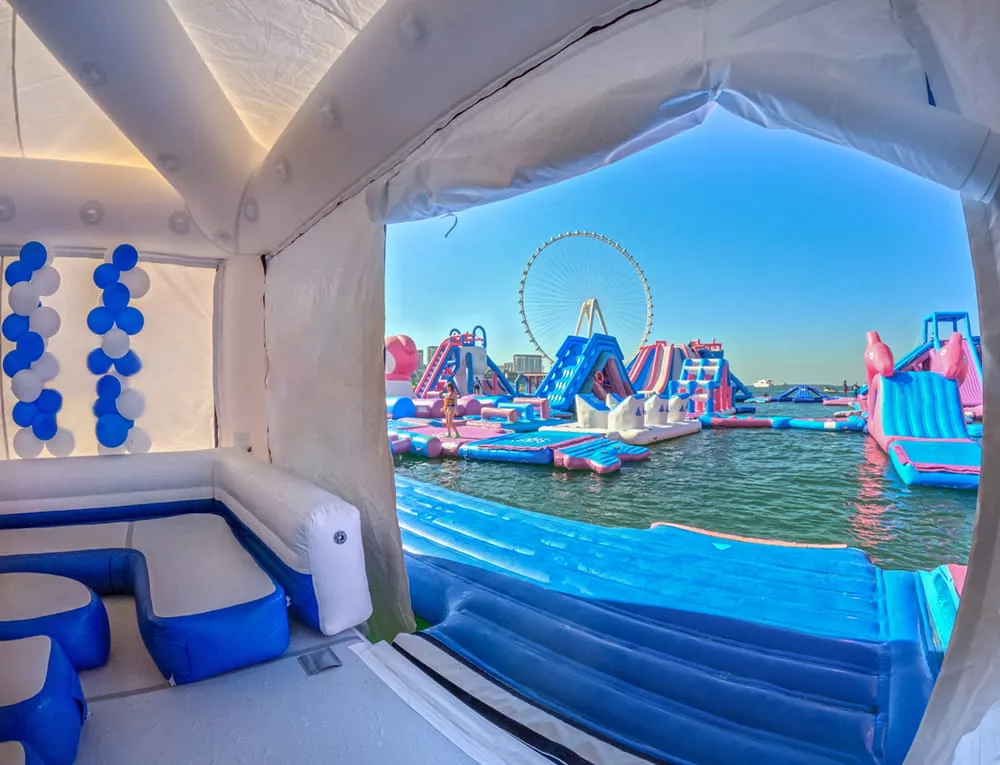
inflatable-floating-water-park-shaded-rest-area
Shaded rest area on an inflatable floating water park
High temperatures create a different set of challenges. Guests may spend longer in the water, while lifeguards and operational staff may face heat exposure during long shifts. Operators should prepare shaded rest areas, drinking water access, staff rotation plans, and clear guest communication about hydration and sun protection.
Temperature management is also relevant in cooler conditions. Even if the water park can technically remain open, cold air or water temperatures may reduce guest comfort and affect demand.
A sensible operating decision should balance safety, customer expectations, staffing costs, and the local climate.

Water Level Changes and Site Safety Checks

Water levels can change because of rainfall, tides, seasonal conditions, dam releases, or changes in the surrounding waterway. These changes may affect the usable operating area, actual water depth, access routes, anchor positioning, and safety clearances around the attraction.
Before opening, operators should inspect:
  • Usable water depth around the park;
  • Entry and exit conditions;
  • Anchor lines and connection points;
  • Changes to shoreline or dock access;
  • Nearby obstacles, debris, or changing water flow;
  • The space between the attraction and surrounding hazards.
inflatable-floating-water-park-water-level-safety-check
Water level safety check for an inflatable floating water park
Water-level checks are particularly important after heavy rain, storms, or prolonged dry periods. A change that appears small may still affect the operating setup, especially where the attraction is close to shallow areas, docks, or other waterfront structures.
When planning an inflatable floating water park, operators should assess these site conditions before installation, not only after the park has opened.

Staff Roles and Daily Weather Management SOP

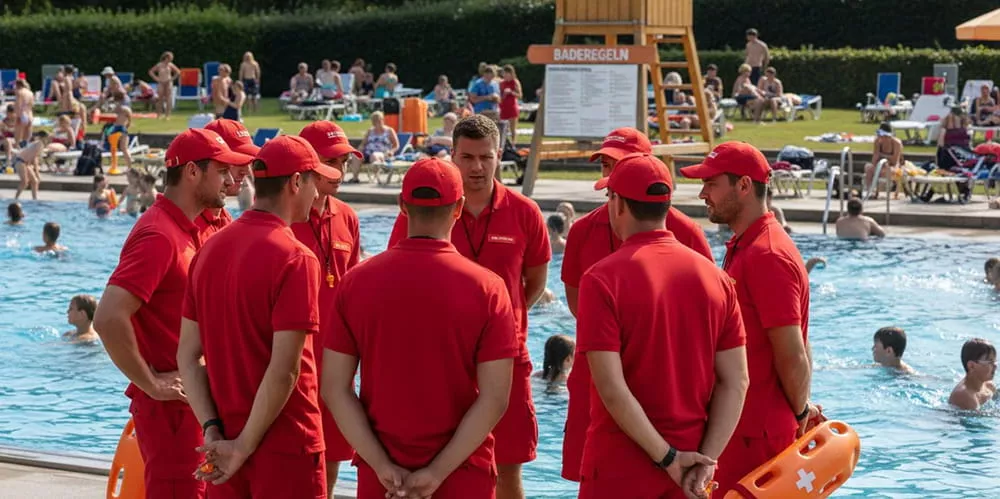
A reliable weather plan depends on clear staff responsibilities. Every team member should know who monitors weather information, who makes operating decisions, who communicates with guests, and who completes post-weather inspections.
staff-pre-opening-briefing-inflatable-floating-water-park
Staff conduct a pre-opening briefing for inflatable floating water park
A daily weather management SOP can include the following steps:
1. Pre-opening check
Review the weather forecast, inspect water conditions, check anchors and connections, and confirm that entry areas are safe.
2. Assigned weather monitor
Designate a manager or trained staff member to track forecasts, alerts, wind conditions, and visible changes at the site.
3. Operational communication
Make sure lifeguards, ticketing staff, and ground staff understand the current operating status and any restricted areas.
4. Guest notification
Use clear announcements, signage, and staff instructions when conditions require restrictions or temporary closure.
5. Closure and evacuation process
Define how guests leave the attraction, where they wait, and how staff control re-entry.
6. Reopening inspection
Check the attraction, anchoring, water conditions, and access areas before reopening.
Weather management should be included in staff training, not explained only when an emergency occurs. For a commercial inflatable water park, consistent daily procedures help reduce confusion during busy periods and allow managers to make faster, more defensible decisions.

Building a Weather Emergency Plan

A weather emergency plan should be simple enough for staff to use under pressure. It should not be a long document that remains unused in an office.
At minimum, the plan should identify:
  • Weather conditions that require closer monitoring;
  • Conditions that trigger restricted operation or closure;
  • The person responsible for the final decision;
  • Guest notification and evacuation procedures;
  • Staff positions during a closure;
  • Inspection requirements before reopening;
  • A record-keeping process for weather-related incidents and closures.
The plan should be reviewed before each operating season and updated when there are changes to the attraction layout, site conditions, local requirements, or staffing structure.
When selecting equipment and planning a project, working with experienced inflatable water park manufacturers can also help operators consider weather exposure, anchoring requirements, site layout, and operational support from the beginning.

Conclusion

Weather conditions can directly affect inflatable water park operations, but the impact can be managed with site-specific operating limits, trained staff, regular inspections, and a clear emergency plan.
Instead of making decisions only after conditions worsen, operators should build weather management into everyday operations. Monitoring wind, thunderstorms, rainfall, temperature, and water levels helps protect guests, staff, equipment, and the long-term stability of the business.

FAQ

What weather conditions can force an inflatable water park to close?

An inflatable water park may need to close or restrict operations during thunderstorms, lightning risk, strong winds, unsafe water conditions, poor visibility, or water-level changes that affect safe access, depth, anchoring, or clearance. The decision should follow the park’s approved operating limits, local safety requirements, and manufacturer guidance.

What should operators do when thunderstorms are forecast?

Operators should monitor forecasts and site conditions, prepare staff for a possible closure, and suspend water activities when lightning risk is present. Guests should be directed out of the water to a designated safe area. Before reopening, staff should inspect the attraction, anchoring, access points, and water conditions.

How does strong wind affect inflatable water park operations?

Strong wind can affect inflatable movement, anchor loads, connection points, guest stability, and the safe use of certain attraction features. Operators should monitor actual site conditions, inspect the equipment, restrict high-risk activities where needed, and pause operations when wind exceeds the park’s approved limits.

GET IN TOUCH WITH US

If you want to learn more about us or our products, welcome to leave a message below.

error: Content is protected !!