Welcome to Bouncia - Your Expert in Inflatable Water Parks and Diverse Sports Equipment

Bienvenue chez Bouncia - Votre expert en parcs aquatiques gonflables et en équipements sportifs divers.

Bienvenido a Bouncia - Tu Experto en Parques Acuáticos Hinchables y Equipamiento Deportivo Diverso

Inflatable Water Park Lifecycle Risk: Long-Term Cost & Operation Guide

Many investors focus mainly on purchase price when searching for an inflatable water park to buy, but overlook long-term risks during operation. In reality, material aging, repair frequency, downtime, and replacement costs often have a bigger impact on profit.
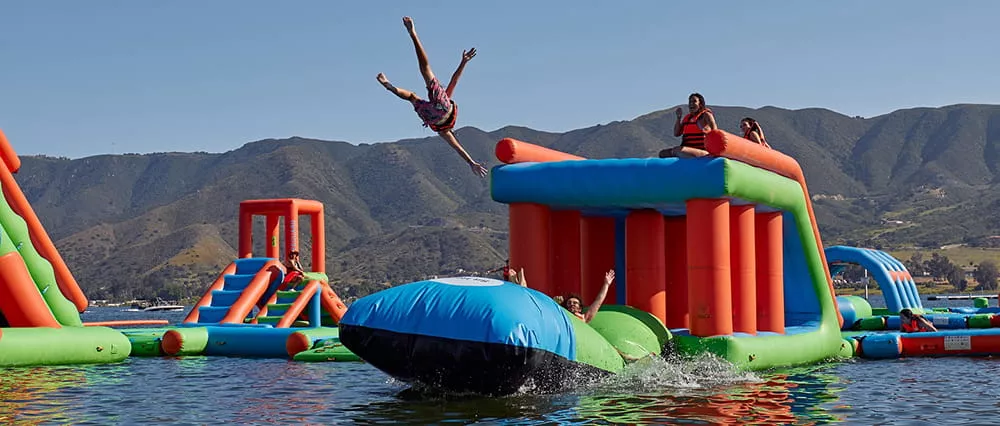
commercial-inflatable-water-park-with-visitors-during-operation
Visitors enjoying a commercial inflatable water park attraction
For commercial operators, the key question is not just “how much to buy”, but “how much it will cost over the next few years”. Understanding inflatable water park lifecycle risk helps you make more stable and profitable decisions.

Quick Answer

When investing in an inflatable water park, focusing only on the initial price can lead to higher long-term costs. Material aging, repair frequency, downtime, and module replacement all directly affect profitability. For commercial projects, the key is not just purchase cost, but long-term operational stability and total cost of ownership (TCO).

Why Low Purchase Price Does Not Always Save Money

Initial Price Is Not Equal to Long-Term Cost

Many investors compare mainly:
  • Product price
  • Number of modules
  • Capacity size
However, long-term returns are often affected by:
  • Repair frequency
  • Downtime
  • Replacement cycle
  • Long-term stability

Hidden Costs in Commercial Operation

Low-cost equipment may lead to:
  • Frequent repairs
  • Module replacement
  • Air leakage and aging
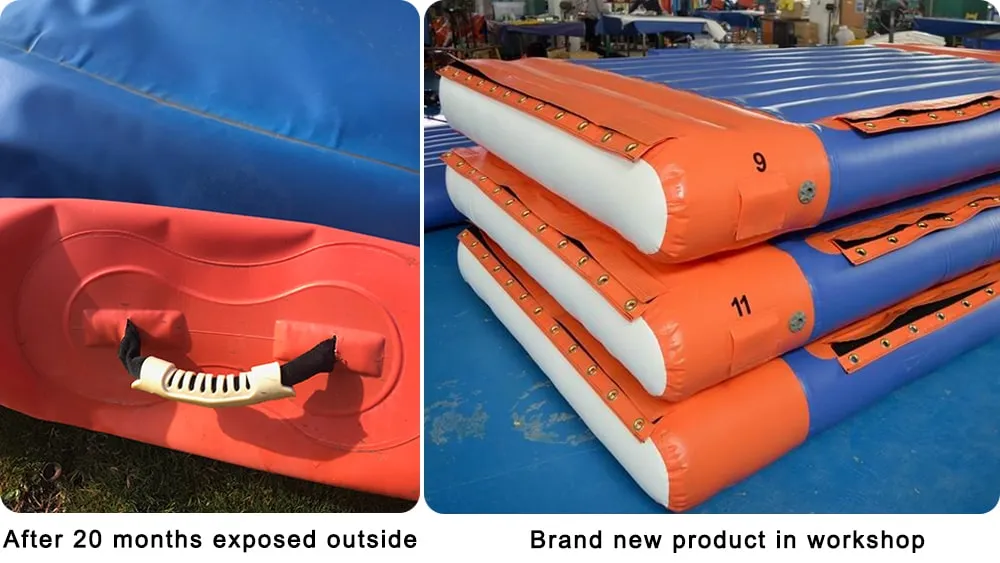
commercial-inflatable-water-park-material-after-long-term-use
Material aging comparison after long-term outdoor commercial operation
  • Peak season shutdown
  • Negative customer reviews
  • Increased labor maintenance

Why Peak Season Downtime Is More Serious

For seasonal projects:
  • High-income period is limited
  • Peak season generates most annual revenue
One serious repair or shutdown can directly impact the entire season’s income.

What Is the Lifecycle of an Inflatable Water Park

Lifecycle Is More Than “How Many Years It Lasts”

The lifecycle refers to the full process: procurement, production, installation, operation, maintenance, and replacement.

Main Lifecycle Stages

Lifecycle Stage
Main Content
Potential Risk
Procurement
Supplier & design
Wrong product choice
Production
Materials & workmanship
Unstable quality
Installation
Anchoring & connection
Stability issues, insufficient anchoring weight, or improper rope/chain length may cause damage during strong wind and waves
Operation
High-frequency use
Wear and aging
Maintenance
Repair & care
Downtime loss
Upgrade
Expansion
Compatibility issues

Key Risks in Each Lifecycle Stage

Procurement Stage Risk: Wrong Choice Affects Years of Operation

Inexperienced Supplier
Some suppliers lack:
  • Independent design capability
  • Deep understanding of project needs
This may lead to unsuitable products or potential infringement issues.
Unreasonable Layout Design
Poor design can cause:
  • Visitor congestion
  • Localized high wear
  • Confusing movement flow
  • Higher management difficulty

Production Stage Risk: Quality Determines Lifespan

Material Aging Risk
Long-term exposure to:
  • UV radiation
  • High temperature
  • Saltwater
May lead to:
  • Fading
  • Early aging
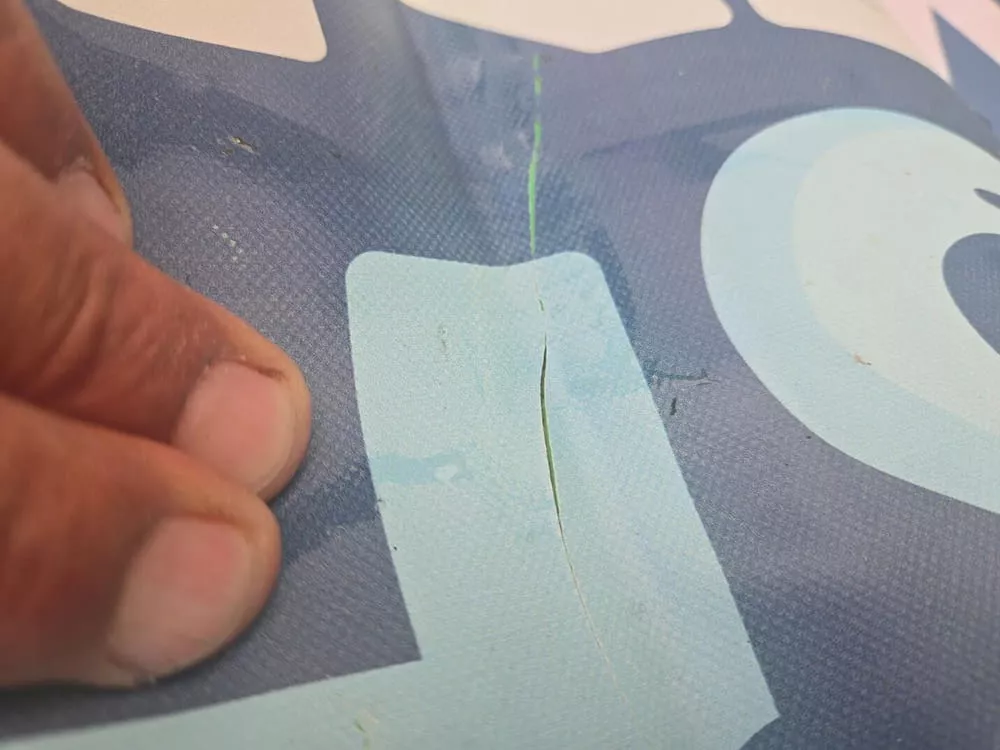
faded-and-cracked-inflatable-water-park-material-surface
Inflatable water park equipment fading and surface cracking
Seam & Reinforcement Risk
Weak stress areas may result in:
  • Bursting
  • Air leakage
  • Seam damage

Operation Stage Risk: High Usage Amplifies Problems

Wear from High Traffic Areas
Common high-stress zones:
  • Slide entrances
  • Jump areas
  • Climbing areas
  • Landing zones
These areas wear out faster.
Why Sea Water Ages Faster
Marine environments include:
  • Salt
  • Waves
  • UV reflection
These factors accelerate aging.

Maintenance Stage Risk: Downtime Is the Real Cost

Increasing Repair Frequency
Repairs include more than materials:
  • Labor cost
  • Inspection time
  • Operation interruption
  • Reduced user experience
Why Downtime Is More Critical
Closing during peak season may cause:
  • Ticket loss
  • Refunds
  • Negative reviews
  • Brand trust damage

Long-Term Differences Between Low and High Quality Equipment

Comparison
Low-Cost Equipment
High-Quality Equipment
UV Resistance
Weak
Stable
Operation Stability
Average
Strong
Repair Frequency
High
Low
Downtime Risk
Higher
Lower
Lifecycle
Shorter
Longer
Long-Term TCO
Higher
More stable

How to Reduce Lifecycle Risk

Choose Real Commercial-Grade Materials

Focus on:
  • UV resistance
  • High temperature resistance
  • Density, tensile strength, tear resistance, fatigue resistance

Pay Attention to Connection System Stability

A double connection system helps:
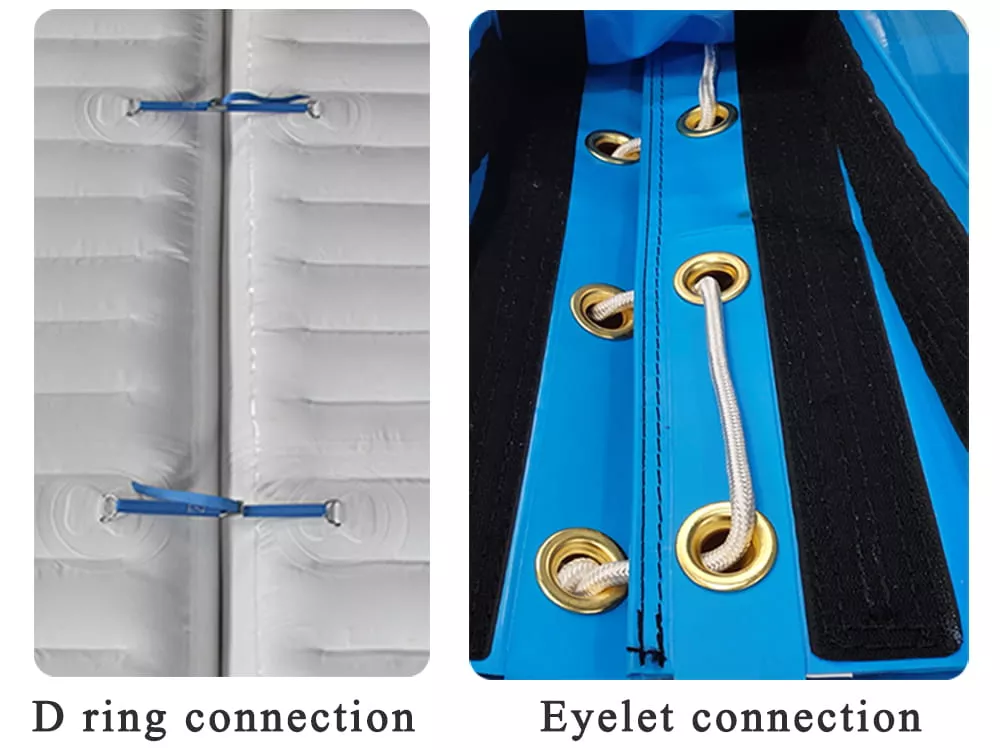
double-connection-system-for-inflatable-water-park-stability
Double connection systems help improve long-term operational stability
  • Improve stability
  • Extend connection lifespan
  • Improve maintenance efficiency

Build a Long-Term Maintenance Plan

  • Daily inspection
  • Peak season check
  • Proper storage
  • End-of-season maintenance

Choose Experienced Suppliers

Experienced suppliers understand:
  • Different water environments
  • High-wear zones
  • Long-term operation issues
  • Expansion compatibility

How to Evaluate Total Cost of Ownership (TCO)

Key cost factors include:
Cost Type
Content
Initial Cost
Product, shipping, tax
Installation Cost
Anchoring & labor
Maintenance Cost
Daily repairs
Downtime Loss
Business interruption
Replacement Cost
Module updates
Expansion Cost
Future upgrades
In many cases, low-cost equipment may result in higher total cost over 5 years compared to high-quality solutions.

Pre-Purchase Checklist

Before investing in an inflatable water park project, check:
  • Material thickness, density, and aging resistance
  • Suitability for local climate and water conditions
  • Connection system stability
  • High-frequency operation cases
  • After-sales and repair response
  • Expansion support
  • Project experience
  • Module compatibility

Common Mistakes

Mistake 1: Only Looking at Price
Low purchase price does not mean low long-term cost.
Mistake 2: Ignoring Downtime Loss
Downtime often costs more than repairs.
Mistake 3: Underestimating Maintenance Frequency
Low-cost equipment may require more frequent repairs under heavy use.

FAQ

How long can a commercial inflatable water park last?
Lifespan depends on usage frequency, environment, material quality, and maintenance. In seasonal regions (less than 5 months operation), lifespan is usually 3–5 seasons, sometimes up to 7–8 seasons. In hot and humid regions with year-round use, it may be 2–4 years. Proper maintenance and commercial-grade materials help extend lifespan.
What causes aging in inflatable water parks?
UV exposure, high temperature, saltwater, waves, and heavy use can accelerate aging, leading to air leakage, fading, and seam damage.
Why do some parks require frequent repairs?
Repair frequency depends on material quality, connection system, workmanship, usage intensity, and maintenance practices. High-stress areas wear faster.
How to reduce long-term maintenance cost?
Choose commercial-grade equipment, follow a regular maintenance plan, store properly, and work with experienced suppliers.
Buying an inflatable water park is not just a purchase — it is a long-term business investment. Compared to focusing only on price, evaluating repair cost, downtime, and replacement over time is more important. A stable, commercial-grade solution can reduce operational risks and improve long-term returns. If you are planning a project, choosing a solution designed for long-term operation will help you build a more sustainable and profitable business.

GET IN TOUCH WITH US

If you want to learn more about us or our products, welcome to leave a message below.

error: Content is protected !!