Welcome to Bouncia - Your Expert in Inflatable Water Parks and Diverse Sports Equipment

Bienvenue chez Bouncia - Votre expert en parcs aquatiques gonflables et en équipements sportifs divers.

Bienvenido a Bouncia - Tu Experto en Parques Acuáticos Hinchables y Equipamiento Deportivo Diverso

Inflatable Water Park Safety Risks: How to Reduce Accidents

As more resorts, campsites, and tourist destinations invest in water attractions, safety has become one of the biggest concerns for investors planning a commercial inflatable water park project.
Many buyers planning a commercial inflatable water park project often ask:
  • Are inflatable water parks dangerous?
  • Is there a drowning risk?
  • Do the products meet international safety standards?
  • How can operators reduce liability risks?
In fact, inflatable water parks do involve certain risks, like any water activity. However, most accidents are not caused by the product itself. They are usually related to poor management, unsafe visitor behavior, or lack of maintenance.
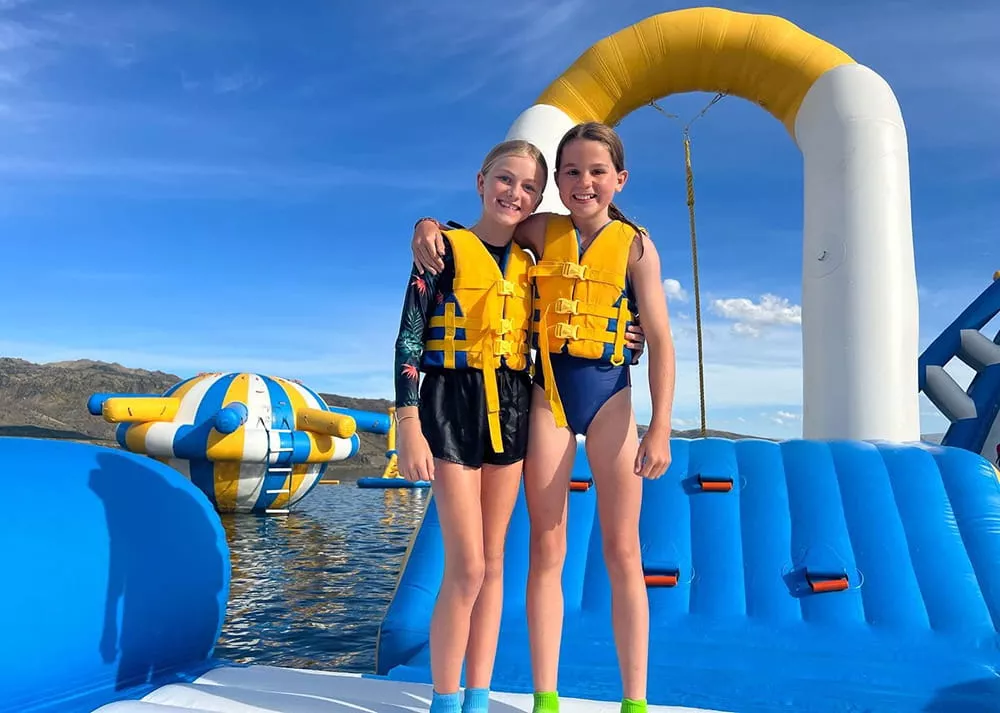
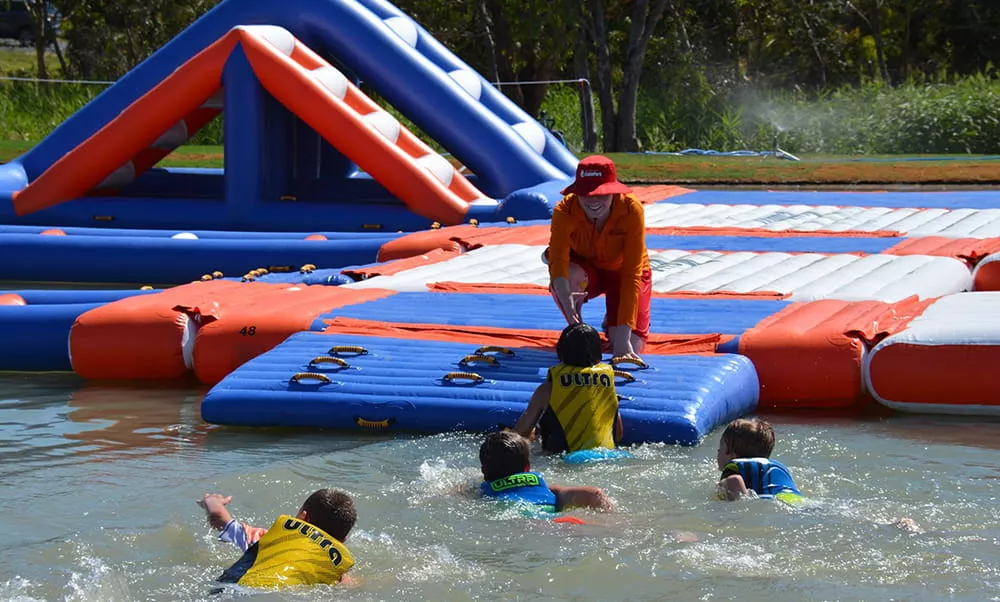
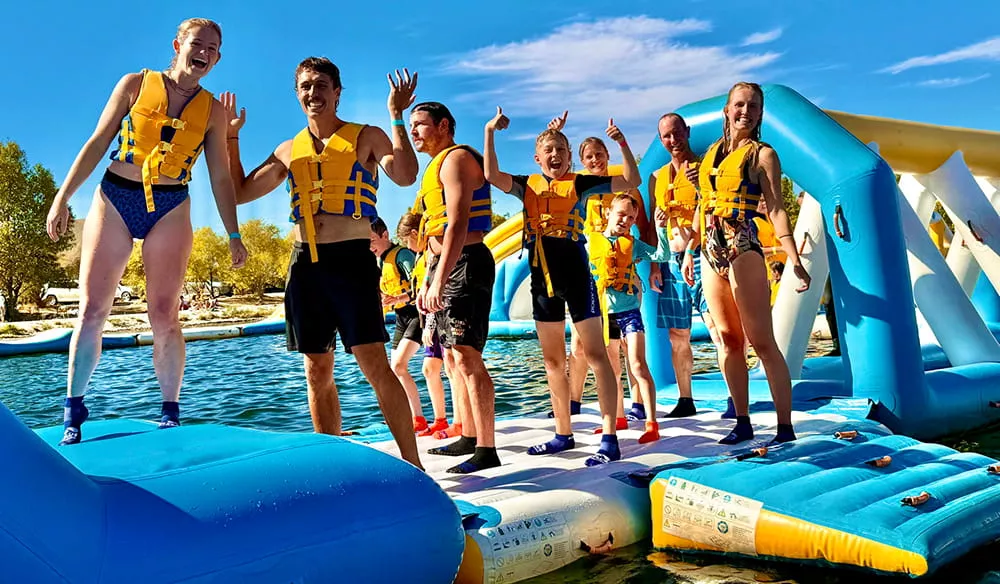
visitors-wearing-life-jackets-at-an-inflatable-water-park
Visitors enjoy an inflatable water park with life jackets
For commercial operators, the real goal is not “zero risk,” but reducing risks through professional design, proper operation, and daily management.

Quick Answer

Inflatable water parks are not “zero-risk” attractions, but most accidents can be effectively prevented through proper management.
A safe commercial inflatable water park usually depends on three key factors:
  • Product design that meets international standards
  • Professional operation and safety management
  • Visitors following safety rules
For investors planning a commercial inflatable water park project, choosing a supplier that follows EN ISO 25649 standards, building a complete safety process, and hiring trained lifeguards are usually more important than simply choosing the lowest price.

Why Do Many People Worry About Inflatable Water Park Safety?

Unlike land-based inflatable attractions, inflatable water parks operate directly on water.
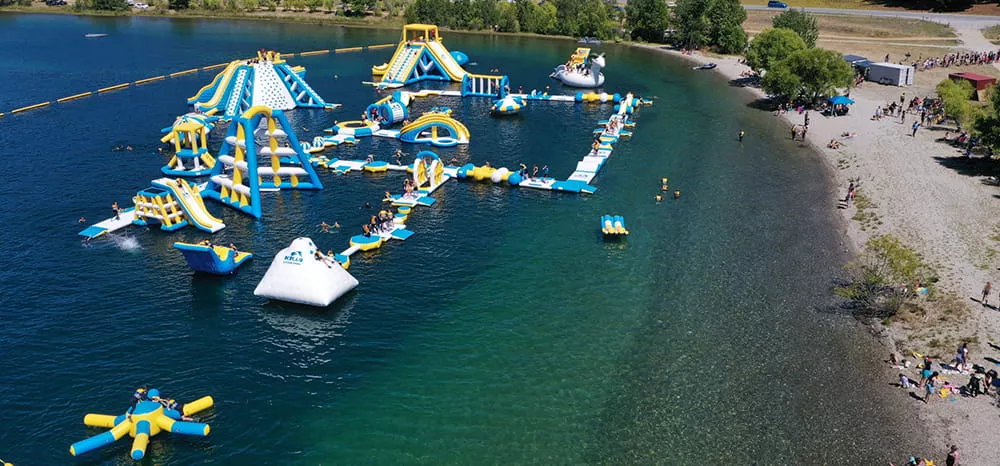
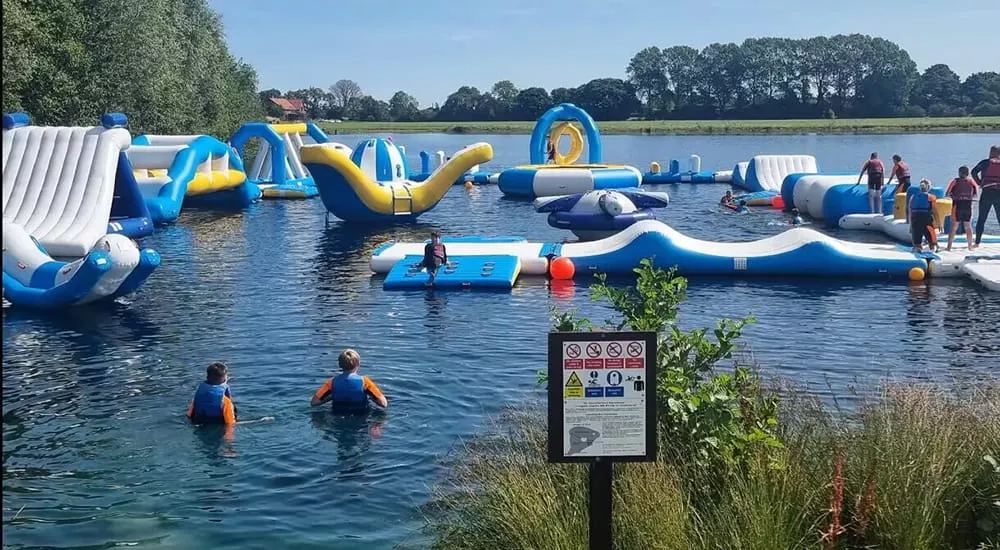
inflatable-water-park-operating-on-a-lake-environment
An inflatable water park operating in an open lake area
This means safety can be affected by many factors during operation, including:
  • Water depth
  • Wind and waves
  • Visitor behavior
  • Stability of connection systems
  • Swimming ability of visitors
  • On-site management quality
Because of this, many first-time investors naturally worry about questions such as:
  • What happens if visitors fall into the water?
  • Are children more likely to get injured?
  • Can the inflatable modules leak air or flip over?
  • Will crowded periods increase collision risks?
These concerns are understandable. However, mature commercial projects reduce risks through systematic management rather than expecting a completely risk-free environment.
That is why professional inflatable water parks usually:
  • Require life jackets
  • Hire trained lifeguards
  • Control visitor capacity
  • Set age restrictions
  • Perform regular inspections
  • Purchase public liability insurance

Real Safety Risks in the Inflatable Water Park Industry

Most accidents are not caused by a single problem. They are usually the result of multiple risk factors happening together.

Visitors Passing Under Obstacles

This is one of the most common problems in commercial inflatable water parks.
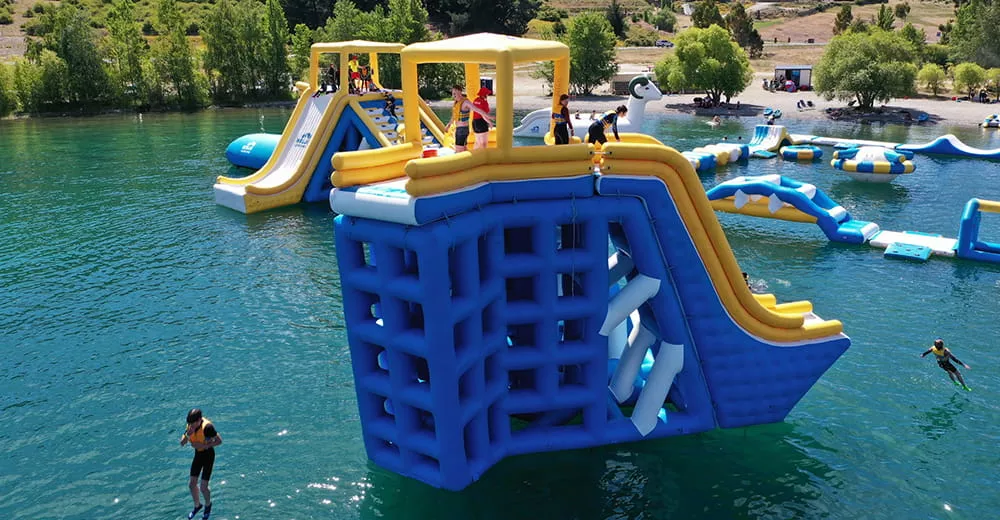
inflatable-water-park-in-normal-operation
Normal operation on an inflatable water park
Some visitors try to take shortcuts by swimming under inflatable modules. This may lead to:
  • Being stepped on by other players
  • Limited visibility underwater
  • Losing direction underwater
  • Becoming trapped under inflatable modules
  • Collisions with moving visitor
Professional operators usually strictly prohibit visitors from passing under obstacles.

Children Without Adult Supervision

Children are considered a high-risk group, especially when:
  • They are very young
  • They cannot swim
  • They become overly excited
  • They run or push others
Without supervision, accidents can happen more easily. Therefore, many commercial parks require:
  • Adult supervision for children
  • Children should have basic swimming skills
  • Minimum age limits
  • Separate children’s zones
  • Controlled activity areas for children
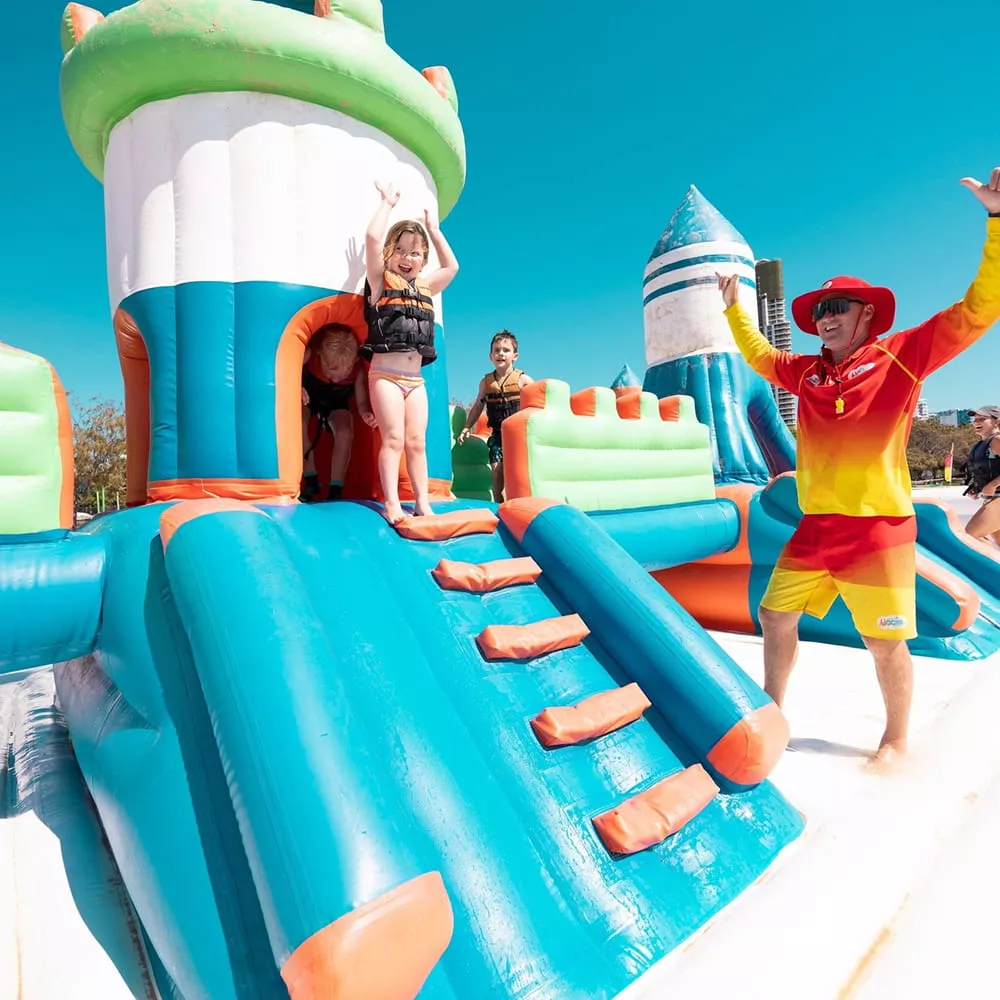
child-in-life-jacket-at-inflatable-water-park
Children wear life jacket at an inflatable water park

Incorrect Use of Life Jackets

Many accidents happen not because visitors do not wear life jackets, but because:
  • The size is incorrect
  • The jacket is not properly fastened
  • Visitors remove the jacket themselves
  • Visitors do not wear it during the entire activity
child-correctly-wearing-life-jacket-at-inflatable-water-park
Proper life jacket use at an inflatable water park
Professional operation processes usually include:
  • Pre-entry inspection
  • Double-checks by staff
  • Clear safety rules and penalties

Lack of Professional Lifeguards

Some small operators underestimate the importance of lifeguards.
In reality, lifeguards do much more than rescue people. They also handle:
  • Crowd management
  • Risk observation
  • Correcting unsafe behavior
  • Emergency response
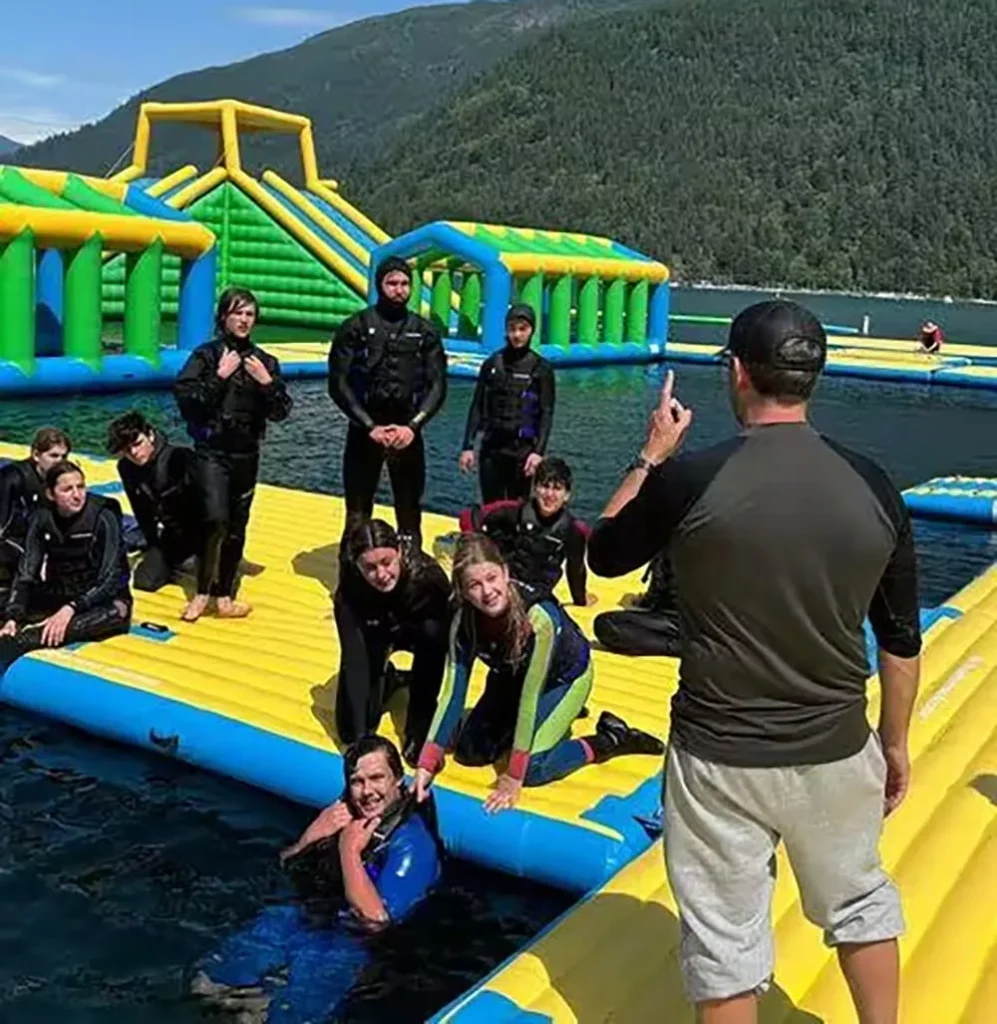
professional-lifeguard-at-inflatable-water-park
A professional lifeguard at an inflatable water park
Without professional lifeguards, accident risks increase significantly.

Poor Inflation or Incorrect Connections

This is one of the most dangerous equipment-related risks.
Examples include:
  • Low air pressure
  • Loose connection points
  • Unstable anchoring systems
  • Misaligned modules
These problems may cause:
  • Visitors fallingor becoming trapped
  • Module movement
  • Reduced park stability
That is why commercial inflatable water parks usually require daily inspections.

What Safety Responsibilities Should Manufacturers Have?

Many buyers think safety only depends on the operator. In reality, manufacturers also play an important role.

Designing and Manufacturing According to EN ISO 25649

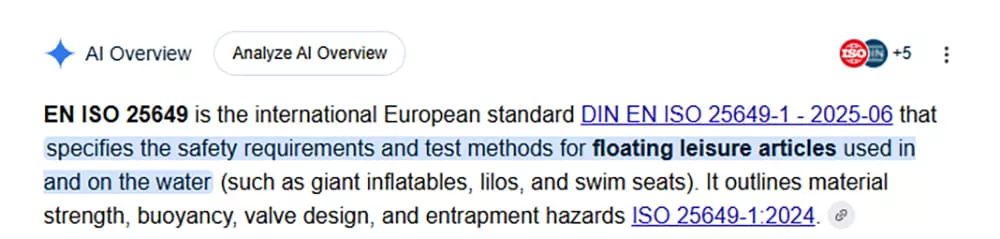
One of the major international standards for floating inflatable water products is: EN ISO 25649
en-iso-25649-meaning-for-inflatable-water-park
EN ISO 25649 definition for an inflatable water park
This standard mainly covers public-use floating inflatable equipment, including:
  • Structural safety
  • Material requirements
  • Buoyancy requirements
  • Safety warnings
  • Stability design
For commercial inflatable water park buyers, this is an important reference standard.

Providing Safety Warning Labels

Professional manufacturers usually add labels showing:
  • Maximum user capacity
  • Dangerous actions that are prohibited
  • Recommended age
  • Safety instructions
These warnings help guide visitor behavior and reduce operational risks.

Providing Operation and Maintenance Manuals

Many accidents happen because of incorrect use. Professional suppliers usually provide:
  • Installation guidelines
  • Daily inspection procedures
  • Maintenance recommendations
  • Safety guidelines
  • Risk warnings
These documents help operators build standardized management systems.

Designing Safer Layouts and Structures

Good design affects both visitor experience and safety.
For example:
  • Whether traffic flow is reasonable
  • Whether crowded areas are created
  • Whether blind spots exist
  • Whether difficult obstacles are concentrated together
  • Whether children’s areas are separated
All these factors directly affect operational safety risks.

Most Important Safety Measures for Operators

entrance-rules-sign-at-an-inflatable-water-park
A rule sign displays at an inflatable water park
For commercial projects, accident rates are often decided by management quality.

Require All Visitors to Wear Life Jackets

This is one of the most basic and important safety rules.
Even strong swimmers are usually required to wear life jackets.

Require Basic Swimming Ability

Some parks clearly state:
  • Non-swimmers are not allowed
  • Deep-water areas are restricted
  • Children require special supervision
These rules help reduce risks significantly.

Prohibit Passing Under Inflatable Modules

Many mature operators use:
  • Safety announcements
  • Clearly visible warning signs
  • Visitor liability waivers
  • Patrol staff
  • Staff stationed in key areas
to stop unsafe visitor behavior.

Install Clear Safety Signs

The park should clearly display:
  • Entry rules
  • Age restrictions
  • Prohibited behavior
  • Emergency exits
  • Rescue contact information
This helps visitors understand the rules quickly.

Hire Professional Lifeguards

Professional lifeguards should:
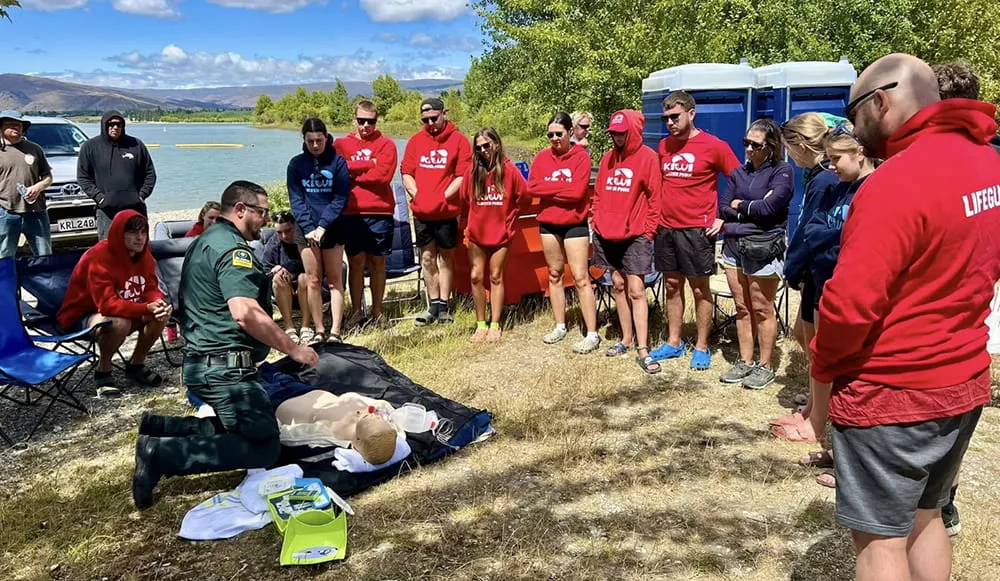
professional-first-aid-trainning-at-inflatable-water-park
First aid training for lifeguards at inflatable water parks
  • Receive first-aid training
  • Master rescue skills
  • Understand the park layout
  • Have strong risk awareness
During busy periods, patrol frequency should also increase.

Build Daily Inspection and Maintenance Systems

Operators should use standardized inspection checklists.
Important inspection areas include:
Inspection Item
Main Check
Air Pressure
Air leakage
Connection Points
Loose connections
Anchoring System
Stability
Surface Wear
Damage or tearing
Safety Signs
Visibility and completeness

Purchase Public Liability Insurance

Many large commercial projects purchase Public Liability Insurance.
This is not only risk management, but also a requirement for many government projects.

Require Adult Supervision for Children

Children are usually one of the highest-risk visitor groups. It is recommended to:
  • Create separate children’s areas
  • Set age restrictions
  • Require adult supervision

Visitors Also Have Safety Responsibilities

Many accidents are caused by unsafe visitor behavior, including:
  • Dangerous actions on purpose
  • Pushing or rough play
  • Ignoring staff instructions
  • Removing life jackets
Because of this, visitor safety awareness is also extremely important.

Common Safety Misunderstandings

Misunderstanding 1: Certified Products Mean Zero Risk

In reality:Certified products ≠ zero operational risk.
Even products that meet standards can still become dangerous if management is poor.

Misunderstanding 2: Life Jackets Eliminate All Risks

Life jackets only reduce certain risks. They cannot:
  • Prevent collisions
  • Stop unsafe behavior
  • Replace lifeguards
  • Replace on-site management

Misunderstanding 3: Ignoring Daily Inspections

Many equipment problems do not appear suddenly. They are often caused by long-term lack of maintenance.

Misunderstanding 4: Underestimating Operational Management

Many new investors focus mainly on:
  • Number of modules
  • Park size
  • Visual appearance
However, long-term successful operation usually depends more on management quality.

How to Reduce Accident Risks in Inflatable Water Park Operation

For commercial operators, the key is building a long-term safety management system.

Build Standard Visitor Management Procedures

This may include:
  • Entry inspections
  • Life jacket checks
  • Visitor flow management
  • Capacity control during busy periods
inflatable-water-park-safety-announcement-for-visitors
Safety announcement for visitors at the inflatable water park

Increase Lifeguard Training Frequency

Regular training improves:
  • Reaction speed
  • Rescue ability
  • Risk judgment skills

Choose Suppliers That Meet International Standards

For commercial inflatable water park investors, suppliers affect both product quality and long-term operational safety.
Important points include:
  • Whether the products follow EN ISO 25649
  • Whether the supplier has commercial project experience
  • Whether operation guidance is provided
  • Whether maintenance support is available

Establish Long-Term Maintenance Systems

Commercial inflatable water parks are high-frequency-use projects.
Therefore, operators should perform:
  • Daily inspections
  • Weekly inspections
  • Seasonal maintenance

Control Visitor Capacity and Age Structure

Overcrowding usually increases accident risks significantly.
Reasonable capacity control is often more important than simply increasing visitor numbers.
Inflatable water parks are not completely risk-free attractions, but most accidents can be greatly reduced through proper operation and management.
A truly safe commercial inflatable water park usually depends on three factors working together:
For investors planning a long-term inflatable water park operation, choosing a reliable supplier, building a long-term safety management system, and investing in staff training are often more important than focusing only on price. Long-term success depends not only on buying equipment, but on operating a safe and sustainable business.

FAQ

Are inflatable water parks dangerous?

Any water activity involves some level of risk, but most accidents can be reduced through proper management, trained lifeguards, and regular maintenance.

Can life jackets completely prevent danger?

No. Life jackets only reduce certain risks. They cannot replace lifeguards, safety rules, or professional management.

What is EN ISO 25649?

EN ISO 25649 is one of the commonly used international safety standards for floating inflatable water equipment. It mainly covers structure, safety, and usage requirements.

Do commercial inflatable water parks need lifeguards?

Professional lifeguards are strongly recommended, especially for commercial operations. They are important for patrol, crowd control, and emergency response.

How can operators reduce inflatable water park safety risks?

Operators can reduce risks by building proper visitor procedures, improving lifeguard training, establishing maintenance systems, controlling visitor capacity, and choosing professional suppliers.

GET IN TOUCH WITH US

If you want to learn more about us or our products, welcome to leave a message below.

error: Content is protected !!