Welcome to Bouncia - Your Expert in Inflatable Water Parks and Diverse Sports Equipment

Bienvenue chez Bouncia - Votre expert en parcs aquatiques gonflables et en équipements sportifs divers.

Bienvenido a Bouncia - Tu Experto en Parques Acuáticos Hinchables y Equipamiento Deportivo Diverso

How to Evaluate Water Conditions Before Installing a Floating Water Park

Before deciding to introduce a floating water park, evaluating water conditions is one of the most important yet most underestimated steps. Many investors have similar questions:
“Is this lake suitable?” “Is the water deep enough?” “Is the current too strong?” “Is it truly safe after installation?”
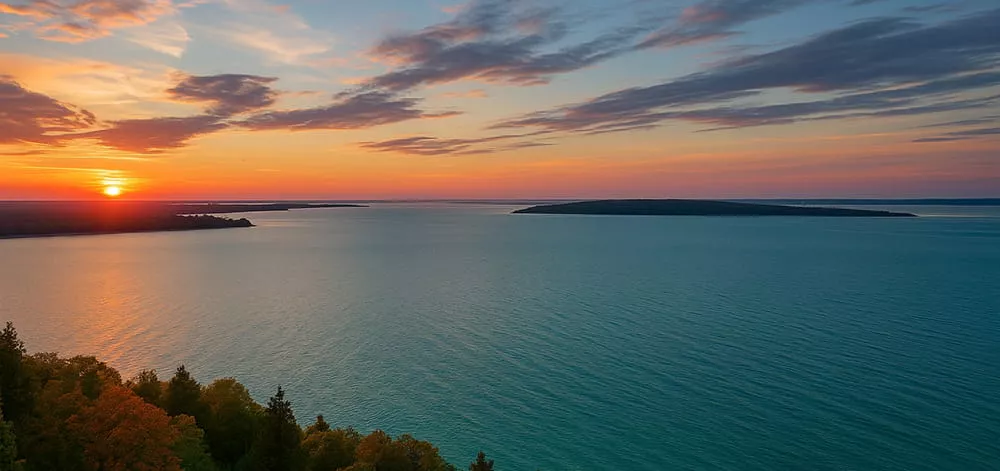
calm-lake-before-floating-water-park-evaluation
A calm lake surface suitable for pre-installation water evaluation
In reality, most operational risks do not come from the equipment itself, but from insufficient water body assessment in the early stage. From a real operation perspective, this article explains how to evaluate water safety scientifically before installing a floating water park and how to determine whether a water body is suitable for long-term and safe operation.

1. Water Depth Evaluation: Not ‘Deeper is Better, but ‘Is It Suitable?

Water depth is one of the most basic safety conditions for a floating water park. There is no absolute rule that deeper means safer. In real projects, pay attention to:
  • Minimum operating water depth for safe falling and jumping
  • Whether the water depth is even or contains sudden drop areas
  • Water level fluctuation during operation season
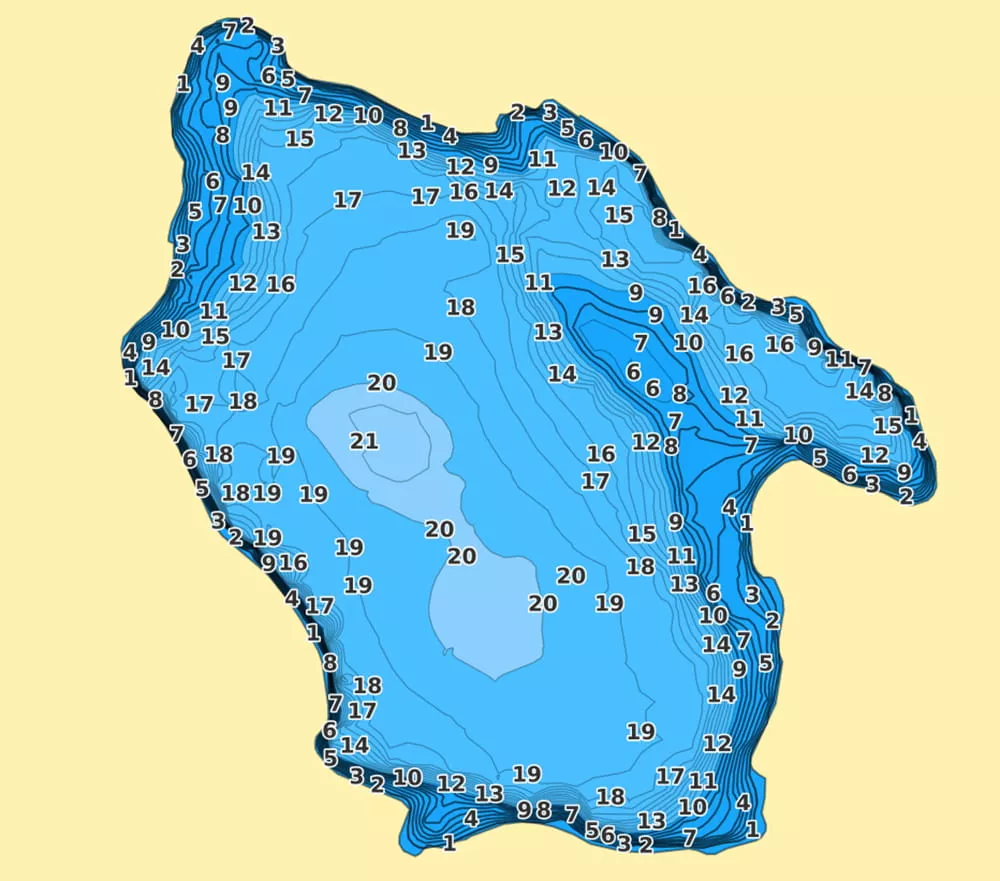
water-depth-contour-map-for-floating-water-park-evaluation
A depth contour map showing uneven water depth for park assessment
Evaluation should be based on the lowest water level during operation, not the deepest level measured on a random day.

2. Water Flow Conditions: Many Risks Come from Water Movement

The impact of water flow goes far beyond “will it drift away”. Key factors include:
  • Whether the water is static, slow-moving, or has continuous current
  • Proximity to river inlets, discharge points, or natural channels
  • Long-term stability of water flow direction
Water flow affects anchoring force, visitor energy consumption, and overall play experience. Proper park layout, module direction, and anchor design can help manage moderate flow, but strong currents are usually unsuitable for floating water parks.

3. Water Bottom Conditions: Often Ignored but Extremely Important

A calm water surface does not mean underwater conditions are safe. When checking the water bottom, focus on:
  • Rocks, branches, and metal debris
  • Dense aquatic plants that may tangle anchor chains
  • Silt depth affecting anchoring stability
Project experience shows that anchoring failure or equipment shifting often results from unsuitable bottom conditions rather than anchor hardware issues.

4. Wind Direction and Wind Speed: Focus on ‘Seasonal Trends, Not Temporary Gusts

Many investors check only short-term weather forecasts and ignore long-term wind conditions. Key evaluation points include:
  • Dominant seasonal wind direction
  • Whether wind pushes the park sideways throughout the season
  • Frequency and duration of strong wind events
Wind affects buoyancy stability, anchor stress, and the visitor experience on high-challenge modules. Proper layout and buffer zones can help reduce wind influence.

5. Water Quality and Visibility: Not Only About Cleanliness

Water quality impacts hygiene and operational safety. Consider:
  • Underwater visibility for rescue and patrol
  • Algae and floating debris affecting surface and connection systems
  • Visitor psychological comfort in low-visibility water
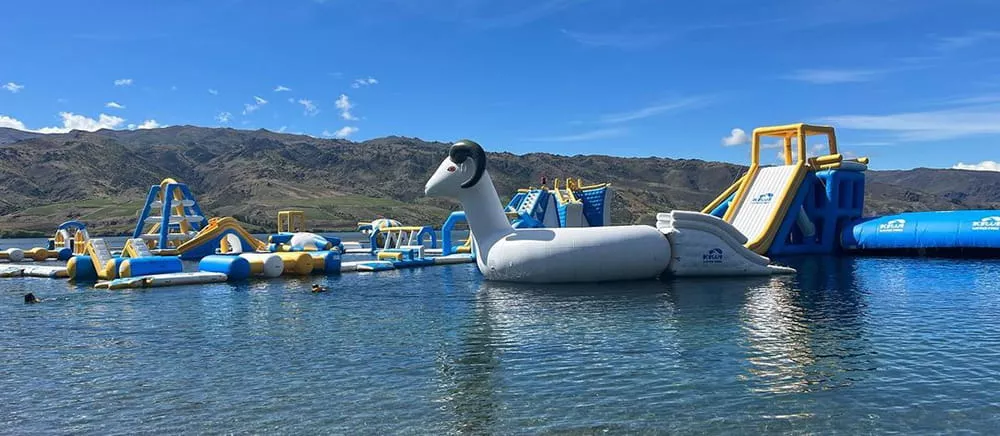
clear-water-visibility-for-floating-water-park-safety
Clear water visibility supports floating water park safety assessment
Low visibility increases operational supervision costs and response difficulty.

6. Shore Conditions: Many ‘Unsuitable’ Cases Come from Land, Not Water

Even if the water conditions are good, poor shore conditions can affect operation. Evaluate whether the shoreline supports:
  • Safe access for entering and exiting the water
  • Emergency access and rescue zones
  • Suitable slope and ground materials for visitors and staff
Shore conditions directly influence daily convenience and emergency response efficiency.
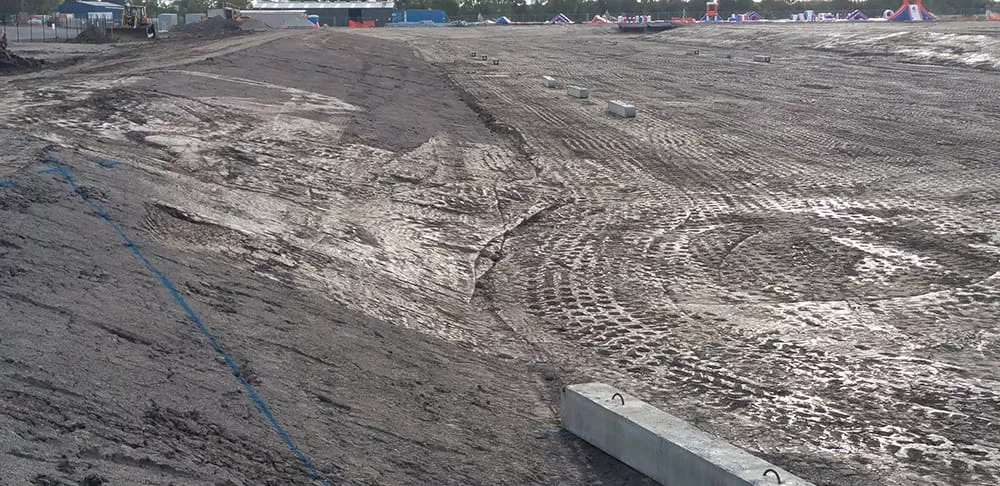
good-shoreline-for-floating-water-park-access-and-safety
Suitable shoreline conditions support floating water park access and safety
Some water bodies are not impossible to use, but require expensive anchoring systems or higher maintenance costs. This must be considered during investment planning.

7. Seasonal and Long-Term Risks: Decide Whether the Project is Sustainable

From an investment viewpoint, short-term feasibility does not equal long-term viability. Evaluate:
  • Water level changes between seasons
  • Seasonal waves and wind intensity
  • Winter shutdown, ice, extreme rainfall, or storm risks
Only water bodies with stable conditions during most operation periods are suitable for long-term operation of floating water parks.
Through systematic evaluation of depth, current, wind, bottom conditions, anchoring requirements, and seasonal factors, investors can determine whether a water body meets the basic Floating Water Park Water Body Safety conditions for operation. This helps reduce risk throughout installation and operation.
If you are planning a floating water park project, consider conducting a professional water condition evaluation before installation to ensure long-term safety for both equipment and visitors.

GET IN TOUCH WITH US

If you want to learn more about us or our products, welcome to leave a message below.